

Time to read - min
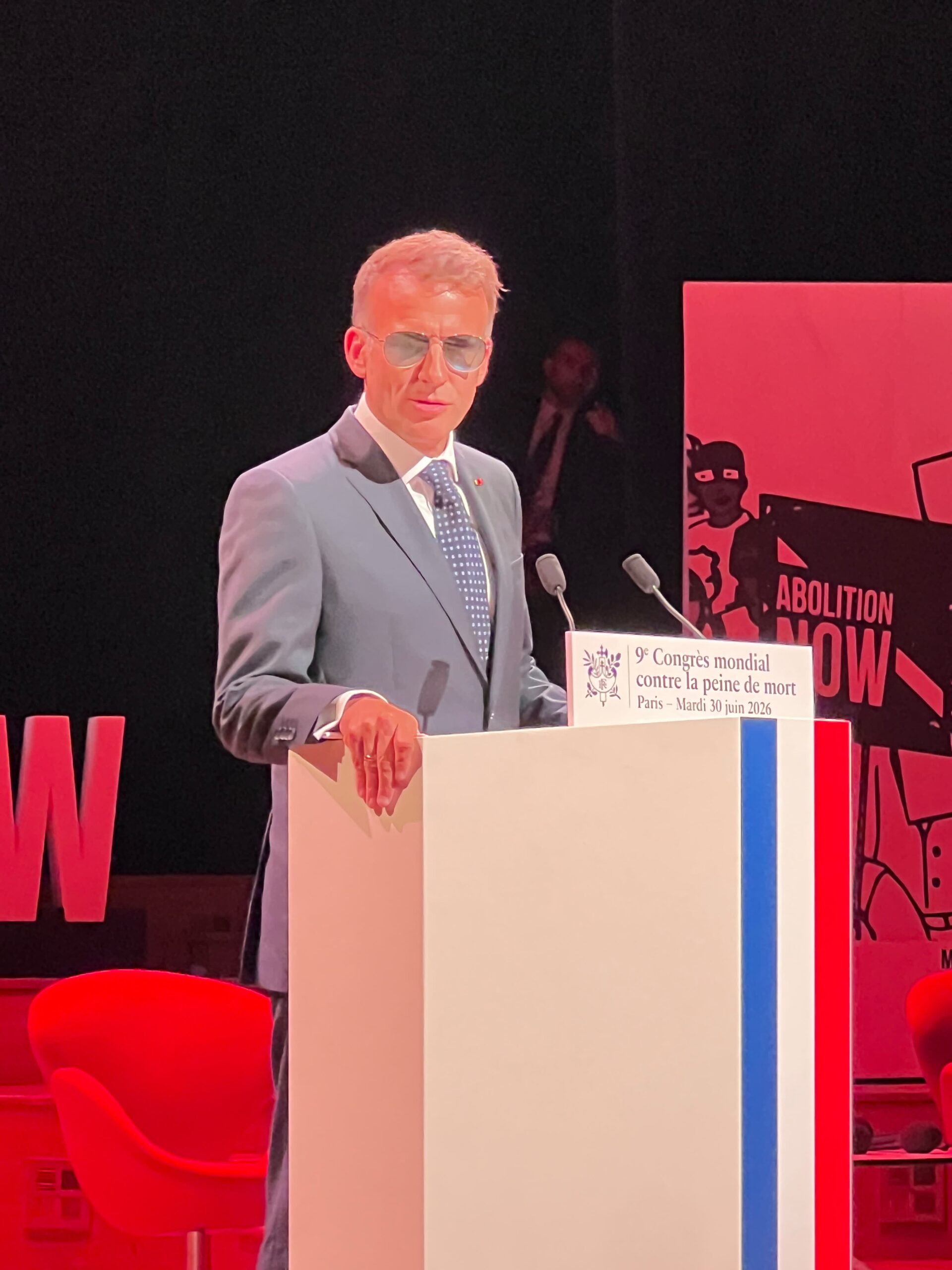
French President Emmanuel Macron spoke at this year’s World Congress Against the Death Penalty, in his comments he urged human rights defenders to stay vigilant in pursuing abolition.
Integrating a Gender Justice Lens in Global Death Penalty Abolition
Sandra Babcock and Bahar Mirhosseni
We are at a pivotal moment for abolition of the death penalty around the world. While authoritarian leaders from Israel to the United States have sought to expand the use of the death penalty, the grassroots resistance to capital punishment is stronger than ever. Next week, abolitionists from around the world will come together in Paris for the 9th World Congress Against the Death Penalty to strategize, network, and plan for an abolitionist future.
We have long worked to sustain and build the capacity of abolitionist leaders around the world, from our Makwanyane Institute program for African capital defenders to our partnerships with organizations like the Square Circle Clinic, Justice Project Pakistan, the Network of Cameroonian Lawyers Against the Death Penalty, and the World Coalition Against the Death Penalty. At the same time, we have sought to fill gaps in knowledge and advocacy in the abolitionist movement. In 2018, our groundbreaking report on women facing the death penalty around the world prompted an international reckoning around the failure of the abolitionist community to recognize the unique ways that the death penalty harms women.
Now, amidst the skyrocketing criminalization of women around the world and the rise of global authoritarianism, the abolitionist community has embraced an intersectional gender justice lens that has exposed the ways in which the death penalty is both racialized and gendered. Organizations around the world have taken up the challenge of documenting the numbers of women facing the death penalty and telling women’s stories. In 2018, there were an estimated 500 women on death rows around the world. We know that number is now larger, in part because of the improvement in data collection, and in part because of punitive campaigns against women in countries like Iran. In the near future, we aim to publish a new report that analyzes the latest data and conditions for women on death row around the world.
CCDPW Director of Legal Advocacy Bahar Mirhosseni speaks on a panel exploring intersectional discrimination in the application of the death penalty.
Our campaign to integrate a gender lens in the abolition of the death penalty around the world has shifted the culture and practice of lawyering, jurisprudence, and abolitionist advocacy. Our fingerprints are all over the Paris World Congress. Two of our Makwanyane Fellows have been nominated for Badinter Prize, which recognizes outstanding abolitionist advocates. Sandra Babcock, CCDPW’s Faculty Director, will moderate a panel featuring judges from Supreme Courts around the world. Bahar Mirhosseni, Director of Legal Advocacy at CCDPW, will speak on a roundtable on socioeconomic rights violations – both on behalf of CCDPW and as Chair of the Gender Working Group of the World Coalition Against the Death Penalty. Bahar will also lead two sessions at the conference of the World Coalition Against the Death Penalty that follows the World Congress. This builds on a similar workshop Bahar helped organize on the sidelines of the Regional Congress against the death penalty in Tokyo, in partnership with the World Coalition Against the Death Penalty and the Center for Prisoner’s Rights in Japan.
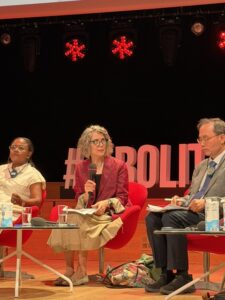
Faculty Director Sandra Babcock is seen here moderating a panel of judges from 6 different nations. The panel explored the judiciary’s role in pushing abolition forward.
After building communities and empowering advocates around the world, we are going to Paris to celebrate our friends and continue to deepen our ties to this community. We will also lean into traditions of resistance and defense of human rights in a world where human rights defenders simultaneously face increased threats and decreased funding for their work.
Together with our allies, we are on the forefront of this struggle, and we will continue to push the envelope for justice for all.